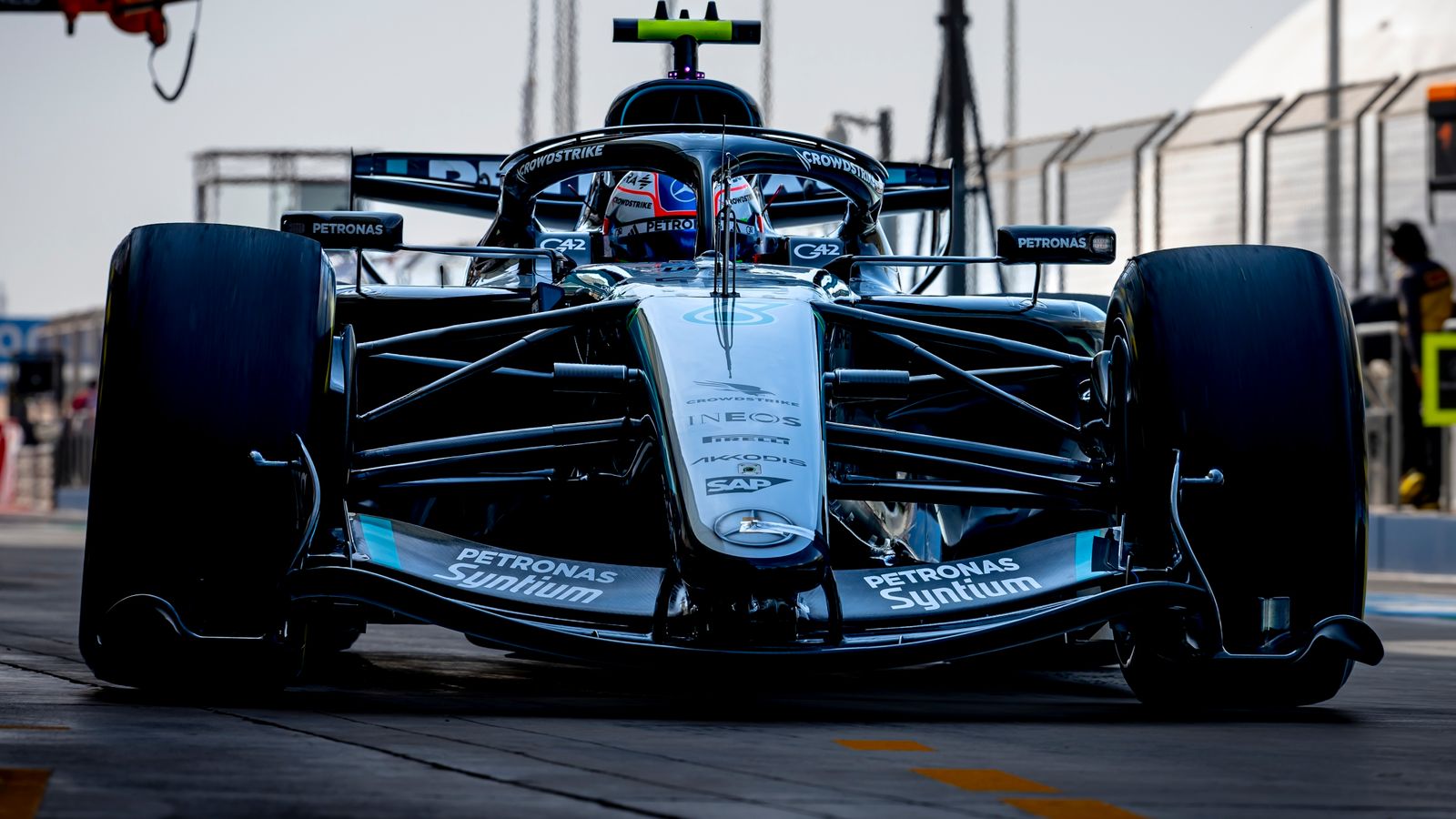
The 2026 Formula 1 season introduces significant changes to the sport, with new regulations impacting car design, power units, and race strategies. Sky Sports' Bernie Collins provides an in-depth explanation of these updates, highlighting how they will influence on-track performance and competition.
One of the most notable changes involves the design of the new cars. F1 teams are now required to develop vehicles with more sustainable and efficient aerodynamics, aiming to improve overtaking and racing quality. The new chassis and aerodynamic regulations are designed to promote closer racing, reducing the 'dirty air' effect that previously hindered overtaking opportunities.
In addition to car design, the engine regulations have been overhauled. The 2026 power units feature increased electrical power output and enhanced hybrid systems, emphasizing sustainability and energy recovery. These engines are more powerful yet more environmentally friendly, aligning with F1's goal to become carbon neutral by 2030.
Furthermore, new racing modes and strategic elements have been introduced. Teams now have access to advanced modes that optimize engine performance under different conditions, adding a new layer of complexity and strategy to races. These modes are designed to give drivers more tactical options during key moments in the race, such as overtaking or defending positions.
The upcoming Australian Grand Prix marks the first race under these new regulations. Fans can expect a thrilling competition as teams adapt to the new technical rules. Practice sessions start on Friday morning, with qualifying and the race scheduled for Sunday at 4 a.m. local time. Viewers can watch the live coverage on Sky Sports F1, experiencing the debut of the 2026 regulations firsthand.
Overall, the 2026 regulations aim to make F1 more exciting, sustainable, and competitive. The changes in car design, power units, and race strategies are set to redefine the sport and provide fans with a fresh and engaging racing experience this season.